
Reflections on Widowhood Series: Exploring the Many Rooms of Life After Loss
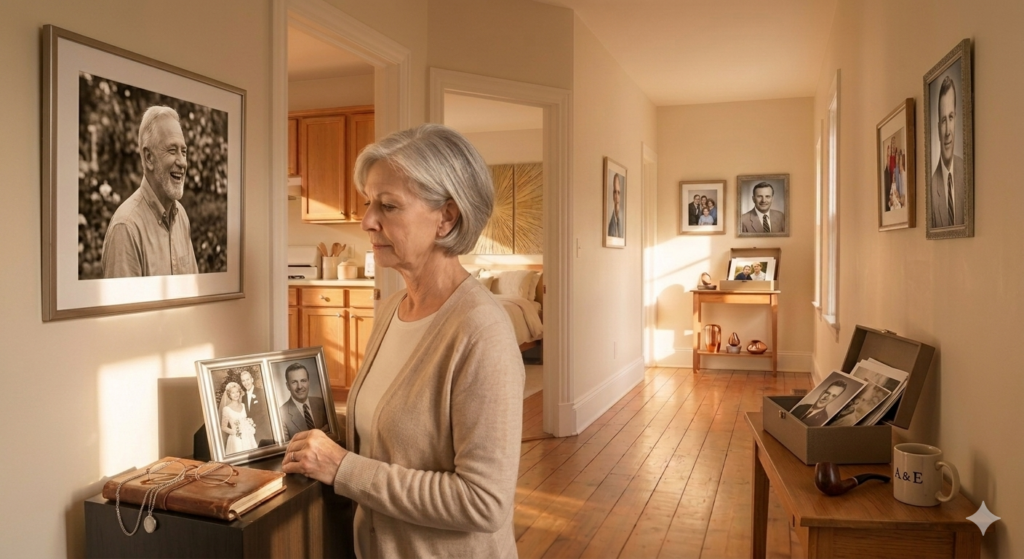
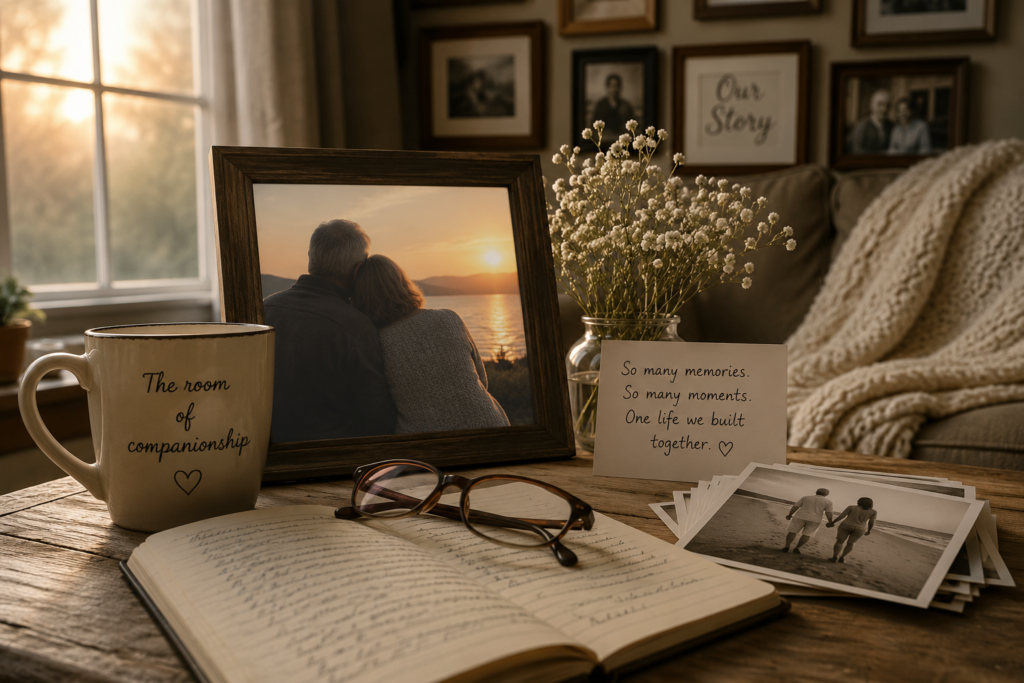
As I walk through the many rooms of widowhood, I find myself spending time in the room of identity. It is a room I never expected to enter.
I still catch myself saying “we.” Sometimes I’ll begin telling a story and say, “We…” before stopping to correct myself. Other times, I don’t even realize I’ve said it until after the words are out. It isn’t because I’ve forgotten that my husband is gone. It’s because for almost fifteen years, “we” was simply how we lived.
We made decisions together, talked about our day, planned vacations, discussed finances, and worked through problems. We celebrated happy times, walked through difficult ones side by side, and built a life together. Somewhere along the way, “we” became much more than a word. It became part of how I thought about my life.
I never stopped to think about it because that’s what marriage does. Over time, two people build a life together, and without even realizing it, they begin thinking as a couple instead of as two individuals. That change happens so gradually that you don’t notice it until something changes.
I didn’t lose who I was when my husband died, but I did lose the part of my identity that came from being part of “we.” That has been one of the quiet adjustments of widowhood.
Now, when decisions need to be made, they are mine to make. Some are important, while others are as simple as deciding what project to tackle next, where to go for dinner, or how to spend a Saturday. None of those decisions seem especially difficult on their own, but together they remind me that I am no longer making them with my husband.
Learning to live as “I” has not happened all at once. It has happened one decision, one conversation, and sometimes one word at a time. The word “I” still feels unfamiliar because my heart spent years thinking in terms of “we.” I don’t think that changes overnight, nor should it. Those years were real, the life we built together was real, and it shaped both of us.
I loved the “we” of us. It represented the life we built together, and I never imagined a day when “we” would become “I.” Becoming “I” doesn’t mean leaving “we” behind. It simply means learning how to move forward while carrying those years with me.
The years we shared are still part of who I am. They shaped my values, my faith, and the way I see the world. Losing my husband didn’t erase those years. They remain part of my life and continue to influence the person I am today.
As I spend time in this room of widowhood, I am learning that my identity did not disappear when my husband died. It has changed, just as every room of widowhood changes us in some way. I am still me, but widowhood has changed how I move through life.
I will probably catch myself saying “we” for a long time. When I do, I don’t rush to correct myself. That little word reminds me that I was blessed to share a life with someone I loved. Today I continue the journey as “I,” but I will always be grateful for the years that “we” walked through life together.