
A mother’s perspective on the DOJ’s recent HCBS decision and what it could mean for families like mine.
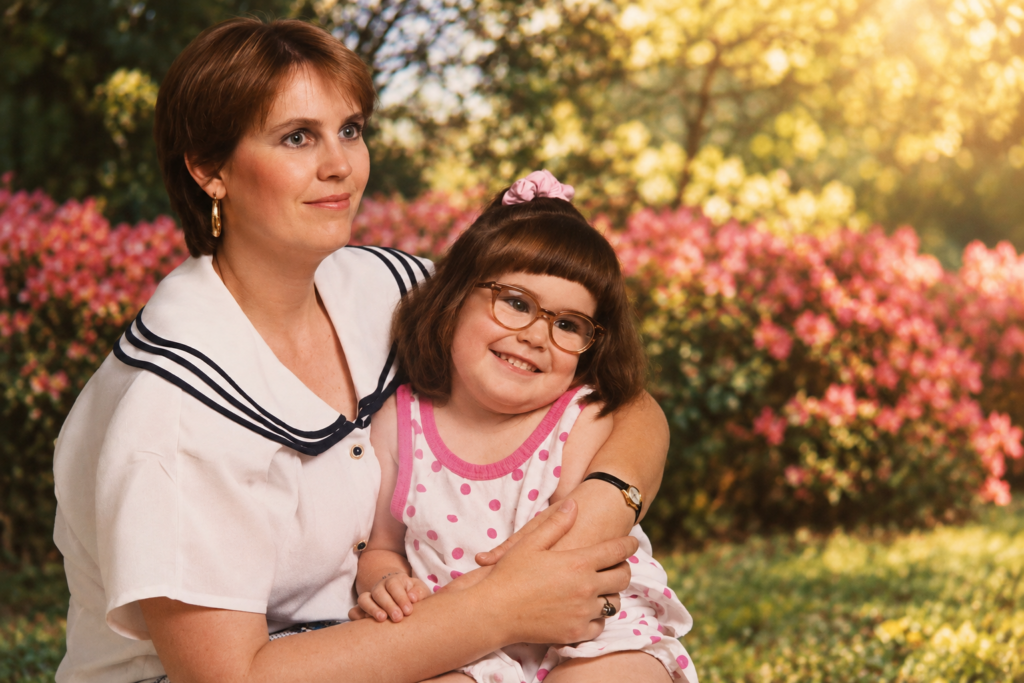
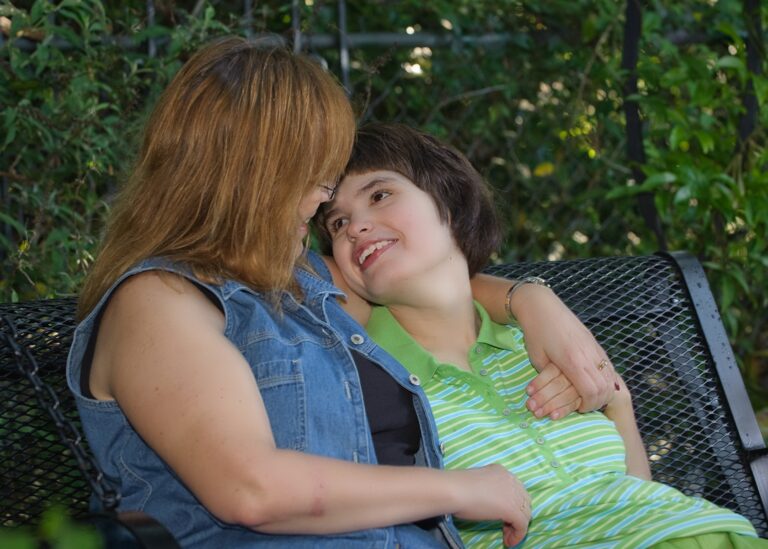
The recent Department of Justice decision regarding Home and Community-Based Services (HCBS) immediately caught my attention for a very personal reason. My daughter, Alison, has severe physical and intellectual developmental disabilities and receives services through HCBS. When I learned of the DOJ’s decision, I wanted to understand what it could mean not only for Alison, but for the thousands of individuals with disabilities and their families who depend on these services every day.
For many people, Home and Community-Based Services are simply another government acronym. In reality, HCBS encompasses a range of services and supports designed to help individuals with disabilities and older adults live in their homes and communities rather than in institutional settings. Depending on a person’s needs, these services may include personal care assistance, therapies, transportation, employment supports, and other services that help individuals participate more fully in community life.
The development of HCBS reflects a significant change in the way our country approaches disability. For much of the twentieth century, families caring for loved ones with significant disabilities often faced difficult choices. Many provided care themselves with little or no outside support, while others sought institutional placement because few community-based alternatives existed. For many families, institutional care was presented as the only realistic option available.
Over time, individuals with disabilities, their families, and advocates challenged the belief that institutionalization should be the default. They argued that people with disabilities should have the opportunity to live in the least restrictive environment appropriate to their needs and to remain connected to their families and communities whenever possible.
A major milestone came in 1999 with the United States Supreme Court’s decision in Olmstead v. L.C. The Court held that the unnecessary institutionalization of individuals with disabilities could constitute discrimination under the Americans with Disabilities Act. The decision affirmed that individuals with disabilities should receive services in community settings when appropriate and when those services can be reasonably accommodated. For more than twenty-five years, Olmstead has influenced disability policy and the growth of Home and Community-Based Services throughout the country.
The Department of Justice’s recent action has drawn attention because it addresses the relationship between the Americans with Disabilities Act, the Olmstead decision, and Home and Community-Based Services. The DOJ’s position is that while the ADA and Olmstead protect against unnecessary institutionalization, they should not be interpreted as requiring states to create or provide Home and Community-Based Services that do not already exist. In other words, the federal government is taking the position that states are not legally obligated under the ADA to establish or expand HCBS programs beyond those they choose to provide.
For many people, that may sound like a technical legal distinction. For individuals and families who depend on these services, it raises important questions.
If states are not obligated to provide certain Home and Community-Based Services, what will Louisiana and other states do? Will they continue to support and invest in programs that allow individuals with disabilities to remain in their communities? Will they maintain existing services, expand them as needs grow, or choose a different path? How might these decisions affect future generations of individuals with disabilities and their families?
I do not know the answers to those questions, and perhaps no one does at this point. What I do know is that decisions made at the federal level often influence decisions made by states, and those decisions eventually affect the lives of real people.
Alison receives care and supports through Home and Community-Based Services that allow her to live in her community rather than in an institutional setting. I remain actively involved in her life and in decisions regarding her care and well-being, but the services she receives through HCBS make it possible for her to receive the support she needs while remaining part of the community she calls home.
For my family, HCBS is not simply a government program or a policy discussion. It represents decades of progress in disability rights and a recognition that individuals with disabilities should have opportunities to live with dignity and receive appropriate supports in the least restrictive environment possible.
I also know that Alison’s story is not unique. Across Louisiana and throughout the country, thousands of individuals with disabilities receive services through Home and Community-Based programs, and countless family members remain actively involved in their lives and well-being. While every family’s circumstances are different, many share an interest in understanding how public policy decisions may affect the services their loved ones receive.
The recent DOJ decision raises broader questions about the future of disability services and the role states will play in providing them. If the federal government’s position is that states are not obligated to provide certain Home and Community-Based Services, how will states respond? What priorities will shape those decisions? How will policymakers balance budgets, legal obligations, and the needs of individuals with disabilities who rely on these services to live in their communities?
These are not simple questions, and they deserve thoughtful discussion.
The recent DOJ decision matters to me because it touches the life of my daughter and the lives of many others who depend on Home and Community-Based Services. It matters because the progress made over the past several decades has created opportunities for individuals with disabilities to live in their communities with supports that previous generations often did not have available to them.
I do not know what Louisiana and other states will ultimately decide. I do know that the questions raised by the Department of Justice’s decision deserve careful consideration. For families like mine and for the many individuals who depend on Home and Community-Based Services, the conversation extends beyond legal interpretations and public policy. It is about preserving opportunities for people with disabilities to live as full participants in the communities they call home and understanding what the future may hold for the services that help make that possible.